
The Karamojong people are an ethnicity comprising of several tribes. They include Ngipore and Nyangia of Karenga district, Ngidootho and Ngiteutho of Kaabong district, Ngijie in Kotido district, Jabwor of Abim district, Ngimatheniko in Moroto, Ngibokora in Napak district. However, the people of Moroto, Napak, Nabilatuk, Nakapiripirit call themselves the Karimojong.
The karamojong call themselves "ngikarimojong". The majority of karimojong are chocolate coloured but however there are also dark and very brown Karimojong. The majority of brown karimojong are found in the southern districts of Moroto, and Napak.
The karimojong speak a language called "ngakarimojong". The languages spoken in Karamoja are "ngadootho" for Ngidootho of Kaabong district, ngapore for Ngipore and Nyangia of Karenga district, "ngajie" for the "Jie" of Kotido district, "ngamatheniko" for the people of Moroto district, "ngabokora" for the people of Napak district, "ngapokot" for the people of Amudat district , "ngapian" for the people of Nabilatuk district and "ngaupe" for the people of Nakapiripirit district. There is a dictionary written in the Karamojong language called the Karamojong dictionary.
Ngikarimojong dress in bed sheets called "ngathukai" especially men, wear beads around the neck, head, waist and hands,women dress dresses called "ngimarindai". Ngikarimojong culture is still widely preserved, protected and promoted.
Way of life.
Ngikarimojong were originally nomadic pastoralists who moved long distances in search of pasture and water for their animals. Today Ngikarimojong are agro-pastoralists who grow both crops and herd animals. Crops grown include sorghum which is the staple food, maize, green gram, millet, ground nuts, peas, sun flower, greens. Animals reared include cows, goats, sheep, donkeys, pigs, chicken, ducks. Cows and goats are acceptable for paying dowry.
Traditions, culture and customs.
Ngikarimojong wear beads, bed sheets called Ngathukai or Shukas.
Initiation rights are carried out to prove transitioning to maturity and communial responsibility. However it is only men initiated in a ceremony called "Nyathapan". Nyathapan gives authority to a young man called "Ekarachunait" to make decisions in communual gatherings. Communial gatherings are often chaired by old men called "ngikathikou". It's unfortunate that women aren't allowed to make decisions or even allowed in such gatherings but the Government of Uganda in collaboration with NGOs keeps encouraging the Karimojong to empower women in society.
Marriage in Karamoja involves dowry payable with cows and goats. However there is also a seperate payment for children born to a family which is called "Nyekichul". Children will belong to the brides family untill it is paid. When a girl has accepted and is ready to marry a man, her family makes a local beer which will be taken to the grooms family as a sign of acceptance. There is several local beer made in Karamoja namely "Ekweete", "Ebutiya", "Ekombot".
In times of calamity in Karamoja, the elders and the initiated men gather to curse a way the calamity. Animals are often killed especially bulls and goats to appease the ancestors. local brew is also drunk to celebrate.
Ngikarimojong
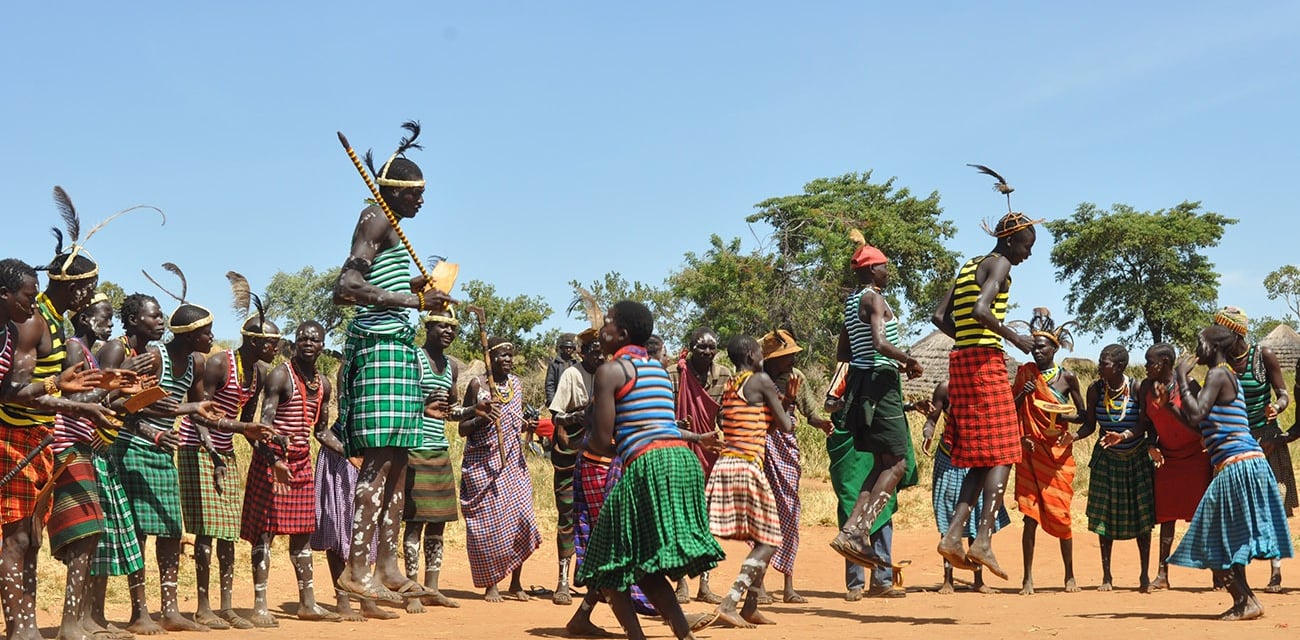
The karimojong dancing in a traditional ceremony.
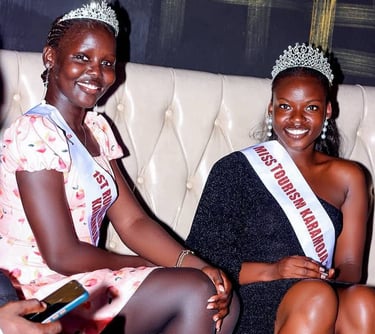
Miss Tourism Karamoja: Queen Iriama Kassim Shamim-Right and the first runner-up of Miss tourism karamoja Queen Cheruto from Amudat Left from Moroto.
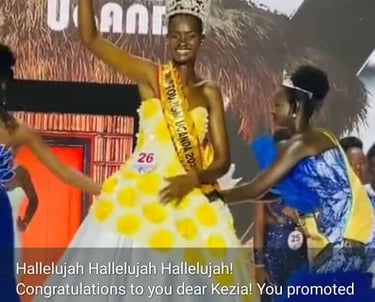
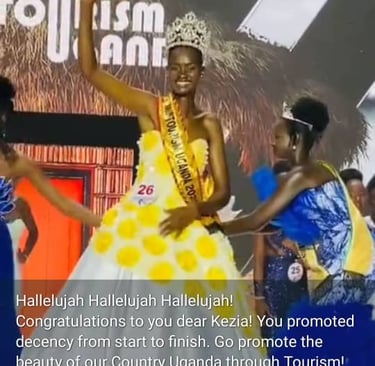
The reigning Miss tourism Uganda 2025/2026 who was also the second runner-up Miss Tourism Karamoja, Queen Nachap Kezia Cindy-left being dressed by Former Miss Tourism Uganda 2024/2025 Queen Atino Lucky Bianca-Right.
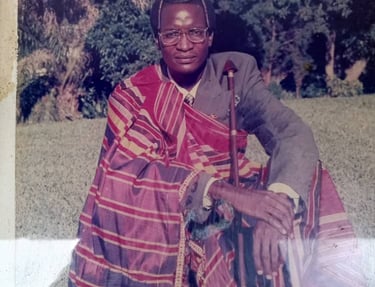
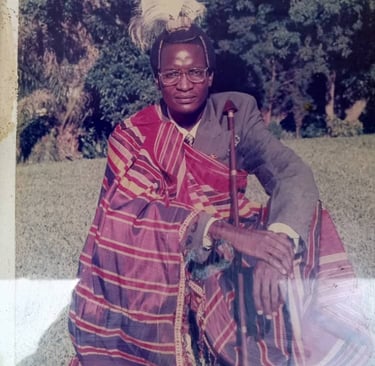
The late Hon.Adome Lokwii Callistus, a prominent political leader who had charisma and was known to be incorruptible in Kotido district who served in 1996-2005 and 2011-2016 as Member of parliament and district Chairperson.
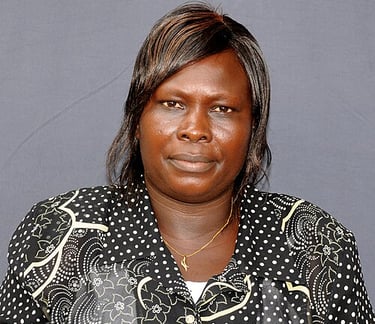
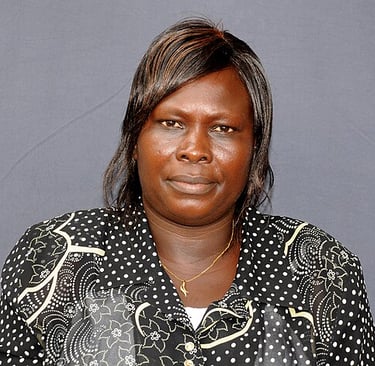
Hon. Aleper Margaret Achilla, the incumbent woman Member of Parliament under NRM representing Kotido district from 2006-2026.
Notable people in karamoja
copyright c 2025. All rights reserved. www.karamojaregion.com